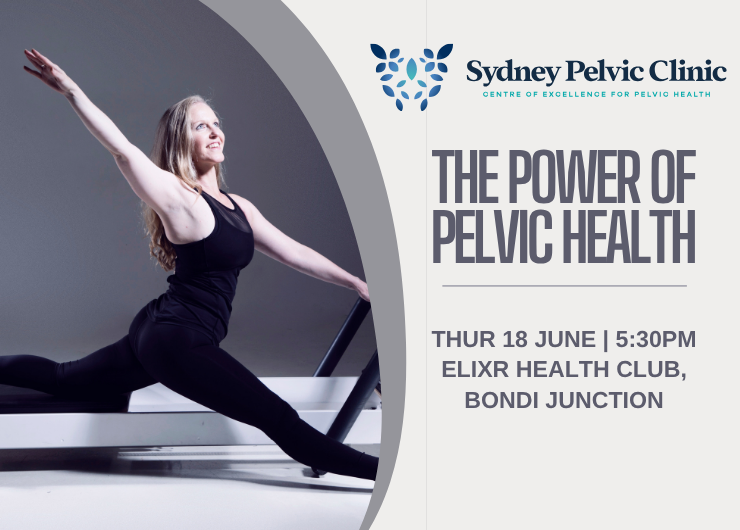
Free Workshop: The Power of Pelvic Health
THE POWER OF PELVIC HEALTH
With PELVIC HEALTH PHYSIOTHERAPIST GIULIA
🗓 Thursday 18 Jun
🕛 5:30PM – 6:30PM
📍Elixr Health Clubs
Is your pelvic floor the secret to unlocking your potential in the gym?
The pelvic floor is the group of muscles and connective tissue that lies at the base of the pelvis in both men and women. It plays an important role in continence, posture, core strength and stabilisation, sexual function, and organ support. How healthy, strong, and functional these muscles are can have a huge impact on how you move through day-to-day life and perform in the gym.
When the pelvic floor is dysfunctional, it’s common to experience symptoms such as leaking, heaviness, bulging, dragging, urgency, or pain in the pelvic area, and these issues can often limit your confidence and performance when training.
Pelvic floor dysfunction is incredibly common, with 1 in 3 women and 1 in 10 men experiencing urinary leaking, 1 in 4 women and 1 in 12 men experiencing pelvic pain, and 1 in 3 adults experiencing bowel problems. While common, these symptoms are not something you simply have to live with. Leaking, heaviness, urgency, and pelvic pain are all signs worth investigating with a qualified pelvic health professional.
If symptoms are affecting the way you move or train, an assessment with a pelvic physiotherapist can be a practical first step. Pelvic health concerns can improve significantly with an individualised assessment and tailored treatment plan.
At Sydney Pelvic Clinic, Pelvic Health Physiotherapist Giulia Casson works with clients across all life stages including pregnancy, post-partum recovery, perimenopause, menopause, and those experiencing bladder, bowel, pelvic pain, or exercise-related symptoms. Treatment is highly individualised and may include education, exercise, breathing strategies, manual therapy, relaxation work, and advice for daily activities and training.
A pelvic physiotherapist will also assess the whole body, not just the pelvic floor, because posture, breathing patterns, the hips, spine, and muscle recruitment can all contribute to symptoms. Good pelvic physiotherapy can help improve function, reduce pain, and prevent recurrence of issues that may be holding you back from feeling your best.
Learn more about your pelvic floor and how you can take control at our event on Thursday 18 June with titled Pelvic Health Physiotherapist Giulia Casson from Sydney Pelvic Clinic.